Bus Rapid Transit: Design and Implementation
Bus Rapid Transit (BRT) has emerged as a prominent approach to improving urban mobility, offering a cost-effective alternative to rail-based systems while delivering high-quality, high-capacity service. The design and implementation of BRT systems require careful consideration of a range of factors, from the allocation of dedicated lanes to the configuration of stations and the integration with existing transport networks. This article explores the key components and planning processes involved in developing BRT systems, with a focus on practical methodologies and contextual considerations.
The concept of BRT is rooted in the idea of combining the efficiency and reliability of rail transit with the flexibility and lower cost of bus operations. By dedicating lanes to buses, providing priority at intersections, and designing stations that facilitate rapid boarding and alighting, BRT systems can achieve travel times and service frequencies that are competitive with light rail. However, the success of BRT depends heavily on the specific urban context, including street network characteristics, demand patterns, and institutional arrangements.
This article examines the planning and implementation of BRT systems, highlighting the importance of dedicated lanes, station design, and integration with other modes. It also discusses some of the challenges and considerations that planners and decision-makers may face when developing BRT projects. The information presented is intended to provide a general overview and does not constitute professional advice; actual outcomes depend on numerous factors and require detailed feasibility studies.
Planning and Feasibility of Bus Rapid Transit Systems
The planning phase of a BRT system is critical to its eventual success and involves a series of steps to assess feasibility, define the service concept, and secure stakeholder support. Initial planning typically begins with a strategic assessment of the urban transport corridor, including an analysis of current travel demand, existing public transport services, and projected growth. This assessment helps determine whether BRT is a suitable option and what level of investment may be required.
Feasibility studies for BRT often include a detailed evaluation of potential routes, station locations, and vehicle technologies. Planners must consider the available road space and how dedicated lanes can be accommodated without causing undue congestion for general traffic. This may involve trade-offs, such as reallocating lanes or adjusting parking regulations. The feasibility study also examines the institutional and regulatory framework, including the roles of different agencies and the need for enabling legislation or policy support.
Stakeholder engagement is another essential element of the planning process. Involving local communities, businesses, and transport operators early on can help identify concerns and build consensus. Transparent communication about the benefits and potential impacts of BRT is important for managing expectations and addressing misconceptions. For example, some may worry that dedicated lanes will worsen car traffic, but experience from various cities suggests that when well designed, BRT can improve overall corridor performance.
Financial planning is also a key component. BRT systems can be financed through a combination of public funds, development charges, and in some cases, public-private partnerships. The choice of financing model depends on the local context and the availability of resources. Operational costs, including vehicle maintenance and staff, must also be considered to ensure long-term sustainability.
Design of Dedicated Lanes and Running Ways
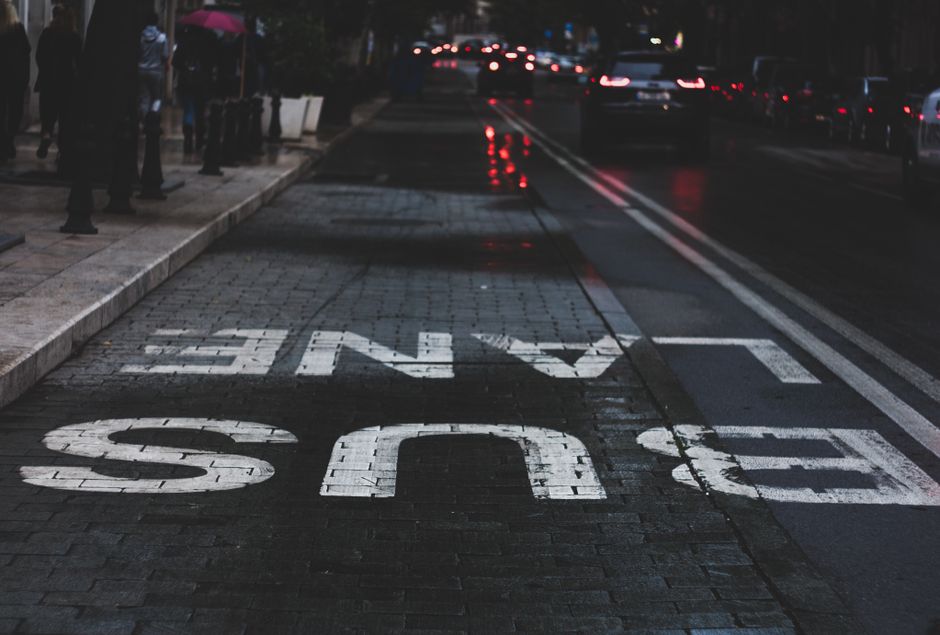
Dedicated lanes are a cornerstone of BRT design, providing buses with a exclusive right-of-way that reduces delays from congestion and improves reliability. The configuration of these lanes can vary, including median lanes, curb-side lanes, or fully separated busways. Each option has implications for accessibility, cost, and integration with the urban fabric.
Median lanes, typically located in the centre of the road, are often preferred for BRT because they avoid conflicts with curb-side activities such as parking and loading. They also facilitate the use of median stations, which can serve both directions of travel. However, median lanes may require wider roads and can complicate pedestrian access, necessitating safe crossings and signalised intersections.
Curb-side dedicated lanes are easier to implement but are more susceptible to interference from turning vehicles, parked cars, and delivery activities. They may be suitable for corridors with lower traffic volumes or where median lanes are not feasible. In some cases, a hybrid approach is used, with curb-side lanes in some segments and median lanes in others.
Fully separated busways, often at grade but physically separated from other traffic, offer the highest level of priority and can be used in exclusive corridors such as former rail rights-of-way. They are typically more expensive to construct but can deliver rail-like performance. The choice of running way design depends on the specific corridor conditions, including available space, demand, and integration with land use.
In the United Kingdom, where road space is often constrained, the design of dedicated lanes must carefully balance the needs of buses with those of other road users. Urban Flow works with local authorities to develop context-sensitive solutions that align with national and local transport policies. The design process includes traffic modelling, safety audits, and consideration of cycling and walking infrastructure.
Station Design and Passenger Facilities
Station design plays a vital role in the user experience and operational efficiency of a BRT system. Stations should be designed to facilitate rapid boarding and alighting, provide shelter and comfort, and ensure accessibility for all users. Key design considerations include platform height, door configuration, and fare collection methods.
Level boarding, where the station platform is aligned with the vehicle floor, allows passengers to enter and exit quickly and is essential for accessibility. This often requires specialised vehicles with multiple doors and low floors. Off-board fare collection, where passengers pay before entering the station, further reduces dwell times by eliminating the need for on-board payment.
Station layout should accommodate expected passenger volumes and provide sufficient space for waiting, circulation, and information. Shelters should offer protection from the elements, and lighting and security features should be included to enhance personal safety. Wayfinding and real-time passenger information systems help passengers navigate the system and know when the next bus will arrive.
Integration with the surrounding urban environment is also important. Stations should be located at convenient points and connected to pedestrian and cycling networks. In some cases, stations may be integrated with adjacent buildings or developments, creating seamless transitions between modes. The design of stations should consider the needs of diverse users, including those with disabilities, older adults, and people with luggage or strollers.
Urban Flow emphasises a holistic approach to station design, considering not only the functional requirements but also the aesthetic and place-making aspects. Well-designed stations can become landmarks and contribute to the vitality of the surrounding area.
Integration with Existing Transport Modes
For BRT to be effective, it must be well integrated with the existing transport network, including local buses, rail, cycling, and walking. Integration can take many forms, from physical connections at interchanges to coordinated timetables and integrated fare systems.
Physical integration involves locating BRT stations near rail stations, bus stops, and key destinations. This may include direct pedestrian links, such as footbridges or underpasses, and secure bicycle parking. In some cases, BRT stations can be co-located with rail stations to facilitate transfers. The design of interchange facilities should minimise walking distances and provide clear signage.
Service integration involves aligning routes and schedules so that BRT complements rather than duplicates existing services. This may require reorganisation of bus routes to feed into BRT corridors, creating a feeder-trunk network. Coordinated timetables and integrated ticketing allow passengers to transfer seamlessly without purchasing separate tickets. In the UK, integrated ticketing is often facilitated through smartcard systems such as Oyster in London or similar schemes in other cities.
Institutional integration is also important. This involves collaboration between different transport authorities, operators, and local governments to ensure that planning and operations are coordinated. In some cases, a single entity may be responsible for both BRT and other modes, which can simplify integration. However, even with multiple entities, formal agreements and regular communication can help achieve integration goals.
The integration of BRT with land use planning is another consideration. By aligning BRT corridors with areas of high development potential, cities can promote transit-oriented development and increase ridership. This requires coordination between transport and planning departments to ensure that zoning and development policies support dense, mixed-use development along BRT corridors.
Implementation Challenges and Considerations
Implementing a BRT system is a complex undertaking that involves numerous challenges, from construction disruptions to operational adjustments. One of the main challenges is managing the transition period during construction, when lanes may be closed and traffic patterns altered. Effective communication and traffic management plans are essential to minimise inconvenience to the public.
Political and public support is crucial for successful implementation. BRT projects can be controversial, particularly if they involve reallocating road space from cars. Building a broad coalition of supporters, including businesses, community groups, and environmental organisations, can help overcome opposition. Demonstrating the benefits through pilot projects or temporary installations can also build momentum.
Operational challenges include ensuring that buses adhere to schedules, maintaining vehicle reliability, and managing fare collection. Training for drivers and station staff is important to ensure smooth operations. Monitoring and evaluation should be ongoing to identify issues and make adjustments as needed.
Funding and financing are perennial challenges. While BRT is generally less expensive than rail, it still requires significant capital investment and ongoing operating subsidies. Securing stable funding sources, such as dedicated taxes or grants, is essential for long-term success. Urban Flow has experience in helping cities navigate these financial and operational complexities, but each project’s outcomes depend on local conditions and decisions.
In conclusion, BRT design and implementation require a comprehensive approach that addresses planning, lane design, station facilities, integration, and implementation challenges. By following a structured process and engaging stakeholders, cities can develop BRT systems that enhance urban mobility and support sustainable development. However, it is important to recognise that there is no one-size-fits-all solution, and each city must tailor its approach to its unique context.