Complete Streets: Balancing Mobility and Safety
Complete Streets is a design approach that seeks to balance the needs of all road users—pedestrians, cyclists, motorists, and public transport passengers—within the same corridor. Rather than prioritising one mode over others, this framework encourages planners to consider how different users interact with the street environment. The goal is to create streets that are safe, accessible, and efficient for everyone, regardless of their mode of travel or level of ability.
In the United Kingdom, the concept has gained traction as part of broader efforts to promote active travel and reduce reliance on private cars. Urban corridors traditionally designed for high vehicle speeds and volumes often present challenges for pedestrians and cyclists. Complete Streets offers a methodology to reimagine these spaces, integrating physical design measures, policy adjustments, and community engagement. This article explores the principles, components, and implementation considerations of Complete Streets, with a focus on how they can accommodate diverse users while maintaining functionality.
By examining the processes and frameworks involved, rather than prescribing specific outcomes, this discussion aims to provide a neutral overview of how Complete Streets can contribute to more balanced urban mobility. It draws on general principles and examples that are applicable in various contexts, acknowledging that each street is unique and requires tailored solutions.
Principles of Complete Streets Design
At its core, Complete Streets is guided by a set of principles that emphasise safety, accessibility, and multimodality. These principles are not rigid rules but rather flexible guidelines that can be adapted to local conditions. One key principle is that streets should be designed for all ages and abilities, meaning that even children, older adults, and people with disabilities can navigate them comfortably. This requires attention to details such as sidewalk width, curb ramps, crossing times, and tactile paving.
Another principle is the prioritisation of safety over speed. In many conventional street designs, the primary objective has been to move motor vehicles quickly. Complete Streets shifts this focus by implementing design elements that encourage slower speeds, such as narrower lanes, street trees, and raised crossings. These measures can reduce the severity of crashes and create a more forgiving environment for human error. However, it is important to note that safety outcomes depend on multiple factors, including driver behaviour, enforcement, and maintenance.
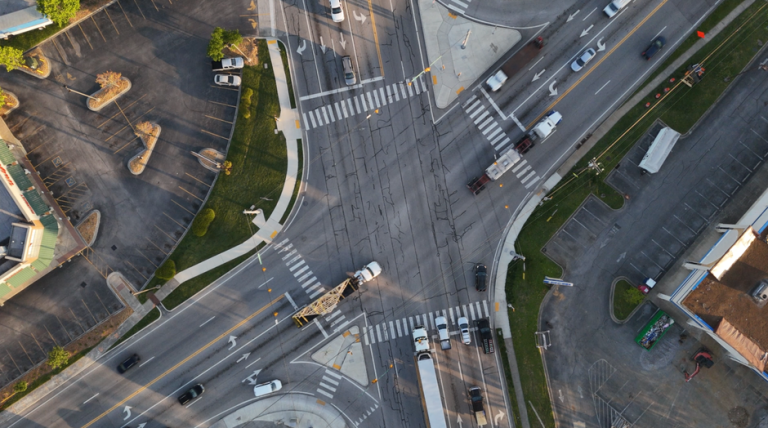
A third principle is the integration of different modes. This involves providing dedicated spaces for each user group where appropriate, such as cycle lanes, bus stops, and pedestrian crossings, while also ensuring that these spaces connect seamlessly. For example, a well-designed intersection might include a protected cycle crossing, pedestrian signal phases, and clear lane markings for motor vehicles. The goal is to minimise conflicts and confusion among users.
Finally, Complete Streets emphasises context sensitivity. A street in a dense urban centre may require different treatments than one in a suburban or rural area. Factors such as land use, traffic volumes, and community preferences all influence the design. This principle underscores the need for a tailored approach rather than a one-size-fits-all solution.
Key Components and Design Elements
Implementing Complete Streets involves a range of physical and operational components. These elements work together to create a street environment that accommodates various users. Common components include sidewalks, bike lanes, crosswalks, median islands, and transit stops. Each element serves a specific function and should be designed with the broader network in mind.
Sidewalks are fundamental for pedestrian mobility. They should be wide enough to allow two people to pass comfortably, and ideally separated from motor traffic by a buffer zone, such as a planting strip or parked cars. In the UK, guidelines often recommend minimum widths, but local authorities may adapt these based on footfall and available space. Well-maintained sidewalks with smooth surfaces are essential for wheelchair users and people with mobility aids.
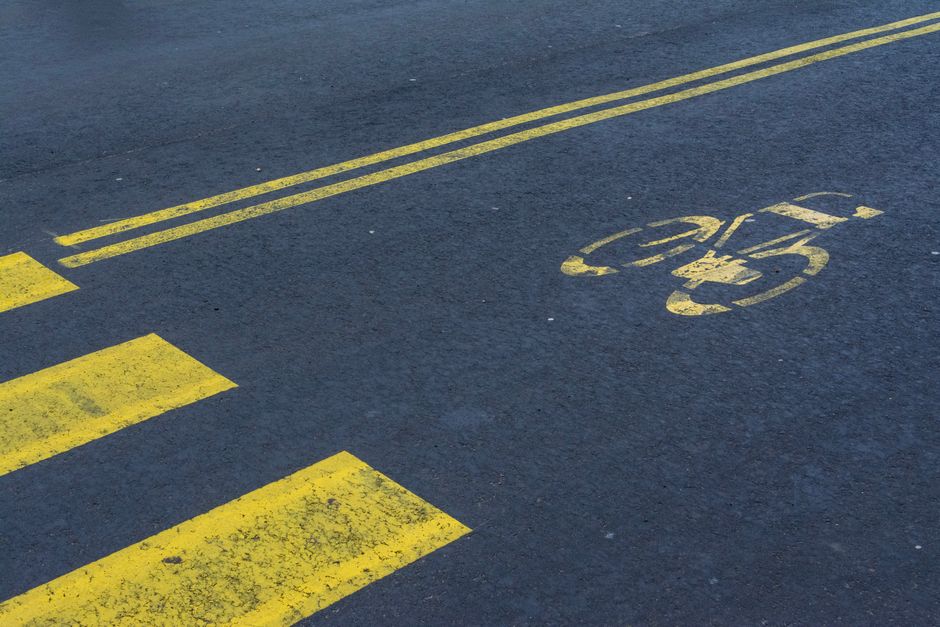
Bike lanes come in various forms, from painted lanes on the road to fully separated cycle tracks. The choice depends on traffic speed and volume, as well as available space. Protected intersections, where cyclists have their own signal phase, can further reduce conflict points. However, the effectiveness of these facilities relies on consistent design and clear signage.
Crossings are critical for connecting pedestrian networks. Features such as zebra crossings, signal-controlled crossings, and pedestrian refuge islands can improve safety and convenience. In the UK, the Highway Code provides guidance on crossing types and their appropriate use. Raised crossings, which are level with the sidewalk, can also slow traffic and improve visibility.
Transit stops should be accessible and integrated with other modes. Features like shelters, seating, and real-time information can enhance the passenger experience. In some cases, bus stop bypasses for cyclists are used to avoid conflicts between buses and bikes. Each component must be considered in relation to others to ensure a coherent street design.
Benefits and Challenges of Implementation
Complete Streets can offer a range of potential benefits, though these are not guaranteed and depend on various factors. Improved safety for pedestrians and cyclists is often cited, as design measures can reduce vehicle speeds and separate users. Increased physical activity may occur if more people feel comfortable walking and cycling, which could contribute to public health goals. Additionally, Complete Streets can support local economies by making areas more attractive and accessible.
However, implementing Complete Streets is not without challenges. One common obstacle is limited road space, especially in historic cities with narrow streets. Retrofitting existing corridors may require trade-offs, such as removing parking or reducing motor vehicle lanes. Such changes can be contentious and require careful consultation with stakeholders. Another challenge is funding and maintenance; while initial construction costs may be higher, long-term maintenance also needs to be considered.
Political and public support is crucial. Some residents and businesses may worry about increased congestion or loss of parking. Effective communication and engagement can help address these concerns, but they do not eliminate them. Furthermore, the impact on traffic flow is context-dependent; in some cases, reallocating space may lead to delays for motorists, while in others, it may not significantly affect journey times.
Evaluation is also important. Monitoring before-and-after data can help understand how a project performs against its objectives. However, attributing changes solely to street design is difficult because many external factors influence travel behaviour and safety. Therefore, a cautious and evidence-based approach is advisable.
Planning and Policy Context in the UK
In the United Kingdom, Complete Streets principles are embedded in various national and local policies. The Department for Transport has published guidance on inclusive mobility and active travel, encouraging local authorities to consider all users in street design. The Manual for Streets provides advice on creating streets that are safe and attractive, with an emphasis on place-making. Additionally, the Gear Change strategy outlines a vision for more walking and cycling, which aligns with Complete Streets goals.
Local authorities often adopt their own design guides and supplementary planning documents. For example, Transport for London has developed Streetscape Guidance that details best practices for street design in the capital. These documents typically stress the importance of balancing movement and place, and they provide technical specifications for elements like cycle lanes and crossings.
Funding mechanisms also shape implementation. The Active Travel Fund and other grants support local authorities in delivering infrastructure improvements. However, the availability of funds can vary, and competition for resources may influence which projects proceed. Partnership working with developers through the planning system can also secure contributions for street improvements as part of new developments.
It is important to note that policy frameworks are continually evolving. As evidence emerges and priorities change, guidance may be updated. Therefore, practitioners should stay informed about current standards and consult relevant authorities when planning Complete Streets projects.
Conclusion: Towards Balanced Urban Corridors
Complete Streets represents a holistic approach to urban mobility that seeks to accommodate all users within the street environment. By applying principles of safety, accessibility, and multimodality, planners can create corridors that work for pedestrians, cyclists, motorists, and public transport alike. The process involves careful consideration of design elements, local context, and stakeholder input.
While the potential benefits are significant, implementation is not without challenges. Limited space, funding constraints, and public opposition can pose obstacles. However, with thoughtful planning and engagement, these can be managed. The UK policy landscape provides a supportive framework, but local adaptation remains key.
Ultimately, the success of Complete Streets depends on a commitment to balancing competing needs and a willingness to monitor and adjust over time. As Urban Flow and other organisations continue to explore innovative solutions, the goal of safer, more accessible streets for all becomes more attainable. By focusing on processes and principles rather than prescriptive outcomes, stakeholders can work together to shape urban corridors that serve the community as a whole.